An exploration of three distinct architectural approaches to building AI agents in Go: low-level integration with the GenAI SDK, middleware-driven flows using Genkit, and autonomous agent orchestration with the Agent Development Kit (ADK).
A practical deep dive into rendering interactive agent interfaces using A2UI and Web Components with ADK, covering architecture patterns, real-world lessons, and common pitfalls.
Presentation on developing autonomous AI agents in Go, walking through design patterns from low-level API calls with the GenAI SDK to structured workflows with Genkit and full agent systems with ADK.
Hands-on workshop demonstrating how to transform standard text-based LLM chatbots into interactive, rich web applications using the Agent Development Kit (ADK), AG-UI protocol, and A2UI to map agent outputs directly to dynamic web components.
This talk explores how to leverage ADK (Assistant Development Kit) and Gemini to create a personalized executive assistant. Attendees will learn the practical steps and tools involved in developing an AI-powered assistant to streamline their workflow.
Agent Development Kit (ADK) is an open source agent development framework built by Google. In this talk we are going to see how to leverage Vertex AI to make production-ready agents that include features like memory, session management, artifact management, RAG and others. The session will walk you through the development of an “Executive Assistant” agent that will learn not only about your tasks, but your preferences. Even if you have never built an agent before, in this talk you will learn how to quickly ramp up using Gemini CLI, the developer knowledge MCP and codewiki, for a truly modern agent development experience.
A deep dive into the design and implementation of GoDoctor, a specialized Model Context Protocol (MCP) server for Go. This talk explores how giving agents specialized tools can significantly improve their effectiveness and reliability.
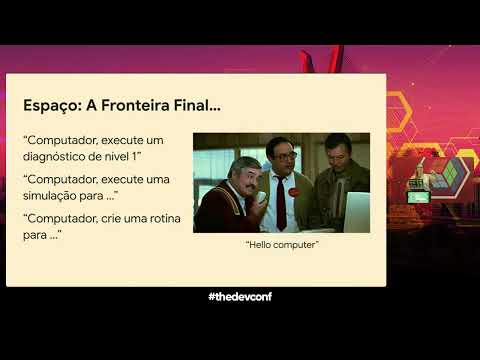
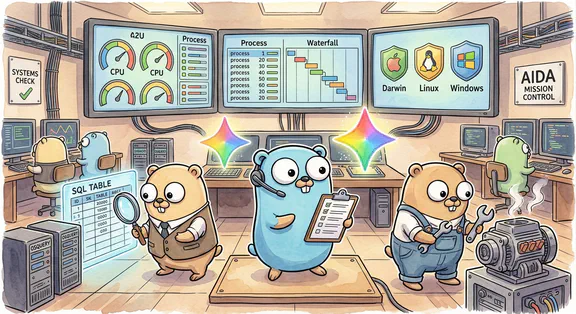
Inspired by the "computer" in Star Trek, in this talk we are going to create a natural language diagnostic agent that can answer questions about your computer, from asking the number of cores and amount of memory installed to running a "Level 1 Diagnostic Procedure". This AI agent will be built step by step using Python, Vertex AI, Gemini and OSQuery.
Inspired by the "computer" in Star Trek, in this talk we are going to create a natural language diagnostic agent that can answer questions about your computer, from asking the number of cores and amount of memory installed to running a "Level 1 Diagnostic Procedure".
Hands-on workshop on building and deploying a Model Context Protocol (MCP) server to extend the capabilities of the Gemini CLI, transforming it into a specialized development expert.
Keynote presentation introducing the Model Context Protocol (MCP), exploring its core concepts, architecture, and the building blocks used to create AI-enabled applications with Go.
Hands-on workshop on building and deploying a Model Context Protocol (MCP) server to extend the capabilities of the Gemini CLI, transforming it into a specialized development expert.
Inspired by the "computer" in Star Trek, in this talk we are going to create a natural language diagnostic agent that can answer questions about your computer, from asking the number of cores and amount of memory installed to running a "Level 1 Diagnostic Procedure".
The talk explores the evolving role of Gophers in the age of AI, focusing on extending language models with custom tools and integrating AI as a powerful extension of skills, using the Model Context Protocol (MCP) and live Go demonstrations.
Keynote presentation at The National Museum of Computing exploring the Model Context Protocol (MCP), its core architecture, and how AI agents and developer tooling are shaping the technical job roles of 2030.
This talk demonstrates how to build an AI agent step-by-step using Python, Vertex AI, Gemini, and Osquery. It explores how Osquery, a tool for exposing OS information via SQL, can be leveraged by large language models to enable advanced diagnostics through natural language queries, eliminating the need to memorize complex command lines.
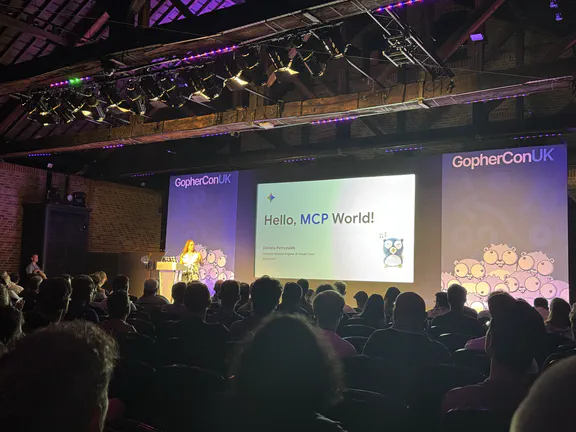
Keynote presentation at GopherCon UK 2025. An introduction to the Model Context Protocol (MCP), exploring its core concepts, architecture, and the building blocks used to create AI-enabled applications with Go.
Quando sua base de código começa a te segurar, jogue tudo fora e comece do zero. Veja como substituí um pipeline RAG em Python por um agente compilado em Go com Genkit e Agent Skills.
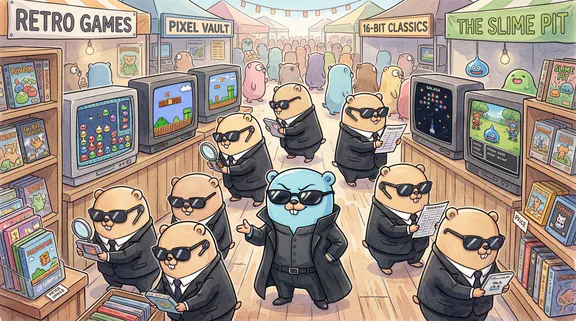
O que realmente é necessário para construir um agente autônomo em Go? Implementamos o mesmo Avaliador de Jogos Retrô de três formas para comparar o Go GenAI SDK, Genkit e ADK.
Aprenda a tornar seu agente de IA totalmente offline. Veja o passo a passo para substituir o modelo em nuvem por um modelo local Qwen 2.5 via Ollama e construir uma base de conhecimento RAG local com SQLite e sqlite-rag para consultar schemas e packs do Osquery.
Eleve o nível do seu agente Google ADK com uma interface personalizada em estilo retrô. Este guia passo a passo mostra como substituir a Dev-UI padrão usando FastAPI e JavaScript vanilla, adicionando personalidade com um avatar gerado por IA com animação e streaming em tempo real.
Este artigo é um guia para criar um agente de diagnóstico com o Agent Development Kit (ADK). Ele aborda o processo de desenvolvimento e explica como usar o Vertex AI RAG para melhorar a qualidade das respostas do agente.
Baseado na minha keynote na GopherCon UK 2025, este artigo é uma introdução ao Model Context Protocol (MCP), explorando seus conceitos centrais, arquitetura e os blocos fundamentais — Tools, Prompts e Resources — usados para criar aplicações com suporte a IA em Go.
Um guia passo a passo sobre como construí o GoDoctor, um assistente de desenvolvimento Go baseado em IA, usando o Model Context Protocol (MCP) e o Gemini CLI.